Human Connection Is More Valuable Than Ever
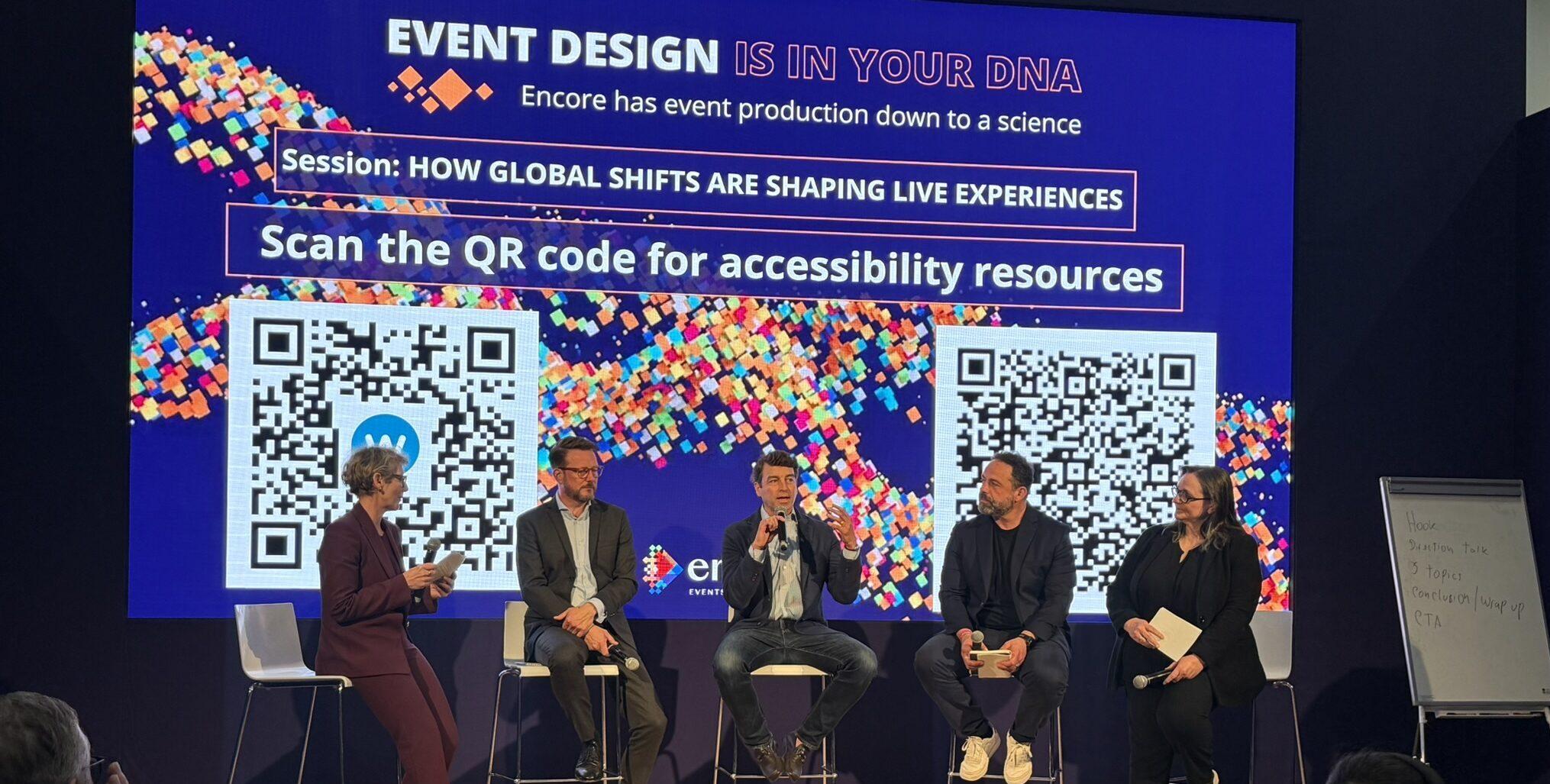
Despite the rapid growth of digital tools and virtual experiences, the panel agreed that human connection remains the primary reason people attend events. While attendees value educational content and business insights, they are increasingly looking for opportunities to network, collaborate, and learn from one another. In a world where so much communication happens online, face-to-face interactions continue to play a critical role in building trust, strengthening relationships, and creating memorable experiences. As a result, event organisers need to design programmes that balance content with meaningful opportunities for engagement and connection.
AI and Personalisation Will Transform Event Experiences
Artificial intelligence is expected to have a significant impact on the events industry, but not by replacing people. Instead, AI will help automate many of the administrative and repetitive tasks that consume a large portion of planners’ time, from supplier management and scheduling to data analysis and event logistics. This shift will allow event professionals to focus more on strategy, creativity, and attendee experience. At the same time, AI has the potential to unlock a new level of personalisation, enabling organisers to tailor agendas, networking opportunities, and content recommendations to individual attendees. As expectations for customised experiences continue to rise, organisations that embrace personalisation will be better positioned to create greater value for their audiences.
Agility, Sustainability, and Trust Are Becoming Business Priorities
The discussion highlighted that traditional planning approaches are no longer sufficient in an environment where market conditions can change rapidly. Organisations are increasingly adopting more agile planning models, reviewing strategies more frequently and remaining flexible enough to adapt when circumstances shift. Sustainability is also becoming a key consideration, with brands seeking partners who share their environmental and social commitments. In addition, trust, safety, and security are playing a larger role in decision-making, particularly when selecting destinations and suppliers. Factors such as political stability, data protection, and organisational transparency are now just as important as cost and convenience when evaluating event opportunities.
Collaboration Will Be the Key to Future Success
One of the strongest messages from the panel was that no organisation can successfully navigate today’s complex environment alone. The pace of change is simply too fast for businesses to rely solely on internal expertise. Instead, success will come from building strong partnerships, expanding professional networks, and embracing diverse perspectives. Panellists emphasised the importance of collaboration not only within the events industry but also across other sectors, where innovative solutions and fresh ideas can often be found. Organisations that foster trust, encourage open communication, and leverage collective intelligence will be better equipped to adapt, innovate, and create impactful experiences in the future.
Conclusion
As global shifts continue to reshape the events landscape, the industry’s future will be defined by its ability to balance innovation with human connection. AI, sustainability, agility, and collaboration will all play critical roles in the years ahead, but the most successful organisations will be those that use these tools and strategies to enhance, rather than replace, meaningful human experiences. In an increasingly complex world, live events remain one of the most powerful ways to bring people together, build trust, and inspire action.